
Description
CBD in Belgium: A Complete Guide to Laws, Products, Safety, and Buying Options
CBD has become increasingly popular across Europe, and Belgium is no exception. From oils and capsules to cosmetics and other hemp-derived products, consumers are increasingly interested in understanding what CBD is, how it works, where it can be found, and what Belgian regulations mean for buyers and businesses. However, the legal position of CBD depends heavily on the type of product, its intended use, composition, and how it is marketed.
This guide to CBD in Belgium explains the essential information consumers should understand before purchasing or using CBD products. It covers the regulatory framework, common product categories, quality considerations, responsible purchasing, and important differences between CBD and intoxicating cannabis products.
Understanding CBD
Cannabidiol, commonly known as CBD, is one of the naturally occurring cannabinoids found in the cannabis and hemp plant. Unlike tetrahydrocannabinol (THC), CBD is not generally associated with the intoxicating “high” produced by THC.
CBD products can be manufactured in several forms. Common examples include oils, creams, capsules, cosmetic products, and other preparations. The ingredients and intended use can determine which regulations apply.
Interest in CBD in Belgium has grown partly because consumers are looking for hemp-derived products that do not have the same intoxicating effects associated with traditional cannabis. Nevertheless, CBD should not automatically be considered legal simply because it contains little or no THC. Product classification remains important.
Is CBD Legal in Belgium?
The legal status of CBD in Belgium can be complicated. Belgian and European rules distinguish between cannabis products, hemp-derived materials, food products, cosmetics, medicines, and other categories.
For consumers researching CBD in Belgium, one of the most important points is that a product’s CBD content alone does not determine whether it can legally be sold. THC concentration, plant material, product formulation, intended purpose, labeling, and applicable sector-specific legislation can all matter.
Some hemp-derived products may be subject to specific restrictions, while CBD products marketed as food or supplements can face additional requirements. Medicines containing CBD are regulated differently from ordinary consumer products.
Because regulations can change, buyers should verify the current requirements with Belgian authorities before purchasing, importing, selling, or distributing CBD products.
CBD and THC Are Not the Same
A major source of confusion surrounding CBD in Belgium is the difference between CBD and THC.
CBD is generally regarded as non-intoxicating, whereas THC is the principal cannabinoid responsible for the psychoactive effects associated with cannabis. This distinction is important when considering the legality and intended use of a product.
A CBD product may contain trace amounts of THC depending on how it was manufactured. Consequently, consumers should not assume that every product advertised as “CBD” is completely THC-free.
Anyone who must comply with workplace drug-testing policies, professional regulations, sports rules, driving requirements, or other restrictions should take particular care. Even products marketed as low-THC or THC-free should be evaluated carefully according to their laboratory results and labeling.
Common CBD Products
Consumers researching CBD in Belgium will encounter a wide variety of products.
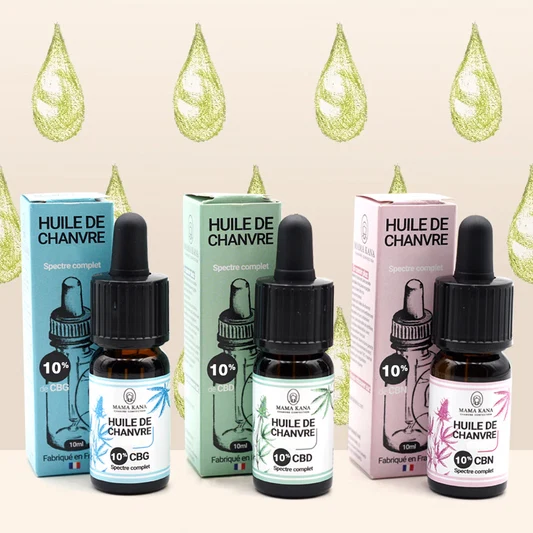
CBD Oils
CBD oils are among the most recognizable products in the market. They are generally produced by combining a CBD extract with a carrier oil.
Depending on the formulation, products may differ considerably in CBD concentration, ingredients, extraction method, and laboratory testing.
CBD Cosmetics
CBD may also appear in cosmetic products such as creams, balms, lotions, and skincare preparations. The regulatory requirements for cosmetics differ from those applying to foods or medicines.
Consumers should therefore distinguish between a cosmetic product intended for application to the skin and a product intended for ingestion.
CBD Capsules
Capsules provide a convenient format for CBD preparations. However, ingestible products may be subject to specific food-related regulations, making it particularly important to verify whether a product is legally marketed in Belgium.
Other Hemp Products
The market also includes hemp-based products that may contain CBD or other hemp constituents. Not every hemp product should be assumed to have the same legal status.
Buying CBD Responsibly
Anyone considering CBD in Belgium should prioritize product transparency rather than simply choosing the cheapest option.
A responsible buyer should examine the product label carefully. Important information can include the quantity of CBD, ingredients, recommended use, batch number, manufacturer information, and laboratory testing.
Third-party laboratory certificates can provide additional information about cannabinoid content and contaminants. Where available, consumers should look for recent certificates that correspond to the exact product or batch being purchased.
It is also wise to avoid products making exaggerated medical claims. Marketing statements promising to cure diseases, replace prescription medication, or provide guaranteed medical outcomes should be treated with caution.
CBD Quality and Laboratory Testing
Quality is an important consideration when purchasing CBD in Belgium because products can vary substantially.
A reputable manufacturer should be able to provide clear information about sourcing, manufacturing, ingredients, and testing. Independent laboratory analysis may test for cannabinoid concentrations as well as contaminants such as pesticides, heavy metals, solvents, or microbial contamination.
Consumers should be cautious when a seller refuses to provide basic product information.
Packaging should also be clear and professional. Missing manufacturer information, unexplained cannabinoid concentrations, or unrealistic health promises can be warning signs.
CBD and Food Products
One of the more complicated areas involving CBD in Belgium concerns products intended for human consumption.
European food regulations can apply to CBD products, particularly products classified as novel foods. A product being available online does not necessarily mean that it has been authorized for sale as a food in Belgium.
Consumers should therefore avoid assuming that CBD oils, gummies, drinks, or other ingestible products are automatically legal simply because they are advertised by an online retailer.
The regulatory classification of a product should be established before it is sold commercially.
CBD and Medical Use
Another important distinction regarding CBD in Belgium is the difference between consumer CBD products and medicines.
A product cannot simply be marketed as a medicine because its manufacturer believes CBD may have health benefits. Medicinal products are subject to specific authorization, quality, safety, and efficacy requirements.
People using prescription medication should also speak with a qualified healthcare professional before introducing CBD into their routine. CBD can potentially interact with certain medications, so professional advice is especially important for people taking regular medicines.
CBD for Wellness
The wellness market has contributed significantly to interest in CBD in Belgium. Some consumers use CBD products as part of broader lifestyle routines involving relaxation, exercise, sleep habits, nutrition, or skincare.
However, wellness marketing should not be confused with established medical evidence. Consumers should distinguish between general product claims, anecdotal experiences, scientific research, and officially approved medical indications.
CBD should not be presented as a universal treatment for medical conditions.
Online CBD Shopping
Online shopping has made CBD in Belgium more accessible, but it also creates additional challenges.
Before purchasing from an online seller, consumers should check:
- Whether the company provides verifiable contact information.
- Whether product ingredients are clearly disclosed.
- Whether laboratory testing is available.
- Whether the seller explains the product’s legal classification.
- Whether prices and product quantities are clearly displayed.
- Whether the company’s terms and conditions are transparent.
- Whether the business complies with applicable Belgian and European requirements.
Buyers should also be careful about websites that promise guaranteed medical effects or encourage consumers to ignore Belgian regulations.
Belgian Consumers Should Check Current Rules
The regulatory environment surrounding CBD in Belgium can change as Belgian and European authorities update their interpretation and enforcement of cannabis and hemp-related rules.
For this reason, information published several years ago may no longer accurately describe current requirements.
Before purchasing, importing, manufacturing, or selling CBD products, consumers and businesses should consult current information from relevant Belgian authorities. Businesses have an even greater responsibility because commercial activity can involve additional rules concerning food, cosmetics, medicines, consumer protection, taxation, labeling, and advertising.
Travelling With CBD
Travelling is another area where CBD in Belgium requires caution.
A product that is lawful in one country may be restricted in another. Different countries can have different limits, classifications, and enforcement policies concerning CBD and THC.
Anyone travelling internationally with CBD should therefore check the regulations of both the departure country and destination country. Airline policies and border requirements may also be relevant.
Never assume that a CBD product purchased legally in Belgium can automatically be carried across an international border.
CBD and Driving
Consumers should also think carefully about driving after using CBD products.
Although CBD itself is not normally associated with the intoxicating effects of THC, some products may contain trace amounts of THC. Driving laws and drug-testing procedures can be strict.
Anyone who drives professionally or regularly should understand the potential risks associated with consuming cannabinoid products. Product labels and laboratory certificates can help consumers understand composition, but they do not replace legal advice.
Choosing a Reputable Seller
When evaluating CBD in Belgium, consumers should focus on transparency and compliance rather than flashy advertising.
A reputable seller should be willing to explain what the product contains and how it has been manufactured. Product information should be consistent across the packaging and website.
Consumers should be particularly cautious with websites offering unusually cheap products, anonymous sellers, unclear ingredients, or products claiming to treat numerous unrelated diseases.
A trustworthy retailer should make it easy for customers to understand what they are purchasing.
CBD for First-Time Buyers
People trying CBD in Belgium for the first time should begin by understanding the product rather than relying entirely on advertising or social-media recommendations.
Read the ingredients, check the cannabinoid concentration, understand how the product is intended to be used, and confirm that the product is legally marketed for its intended purpose.
People with existing medical concerns or those taking prescription medicines should discuss CBD use with a healthcare professional.
It is also important to remember that individual responses to CBD can differ. A product that one person tolerates well may not be suitable for someone else.
The Future of CBD in Belgium
The future of CBD in Belgium will likely continue to be influenced by developments in European cannabis policy, scientific research, consumer demand, and regulatory decisions.
As the CBD market becomes more established, consumers may increasingly expect stronger product testing, clearer labeling, better traceability, and greater transparency.
Businesses operating in this sector will also need to keep up with changes in legislation. Companies that treat compliance as an afterthought can face significant regulatory and commercial risks.
For consumers, greater regulation could ultimately make it easier to identify reliable products and distinguish legitimate businesses from misleading sellers.
Final Thoughts
CBD in Belgium is an evolving subject that combines consumer interest, hemp agriculture, product development, European regulations, and Belgian law. CBD is not the same as intoxicating cannabis, but that does not mean every CBD product is automatically legal or suitable for sale.
The most responsible approach is to examine the exact product, understand its ingredients and intended use, check current Belgian requirements, and purchase from transparent suppliers.
Consumers should be especially careful with ingestible products, medical claims, international travel, driving, and products containing or potentially containing THC.
As regulations develop, staying informed is essential. Rather than relying on outdated blog posts, social-media claims, or retailer advertisements, consumers and businesses should consult current information from competent Belgian and European authorities.
Ultimately, understanding CBD in Belgium means looking beyond the word “CBD” on a label. The product’s formulation, cannabinoid content, intended use, marketing, and legal classification all matter. With careful research and responsible purchasing, consumers can make better-informed decisions while businesses can build products and services around transparency and regulatory compliance.


Reviews
There are no reviews yet.